
Your Wedding Day Timeline, Hour by Hour: How to Build One That Works
By Eventador Team · Planning guides
Most couples spend months choosing vendors, outfits and flowers, then try to squeeze the whole day into a timeline a week before. That's usually when the problems show up: the photographer needs more light than the schedule allows, hair and makeup runs long, or dinner lands later than the caterer planned for. A good timeline won't make your day perfect, but it gives everyone the same plan and a little room to breathe.
Here's a simple way to build one, wherever and however you're getting married.
Start with the fixed points
Every wedding has a few times that can't move. Write those down first and build everything else around them.
The ceremony time. For a religious ceremony, the place of worship may set this for you, and some traditions follow an auspicious time chosen in advance. For a civil or outdoor ceremony, you'll usually have more freedom.
Venue access and curfew. Ask when your vendors can start setting up, when music has to stop and when everything must be cleared. These limits shape the whole day.
Sunset, if photos matter to you. If you want outdoor portraits in soft light, look up the sunset time for your date and location, and plan portraits for the hour before it.
Meal service. Your caterer or venue will have a view on when food should be served and how long service takes. Ask them before you fix the evening.
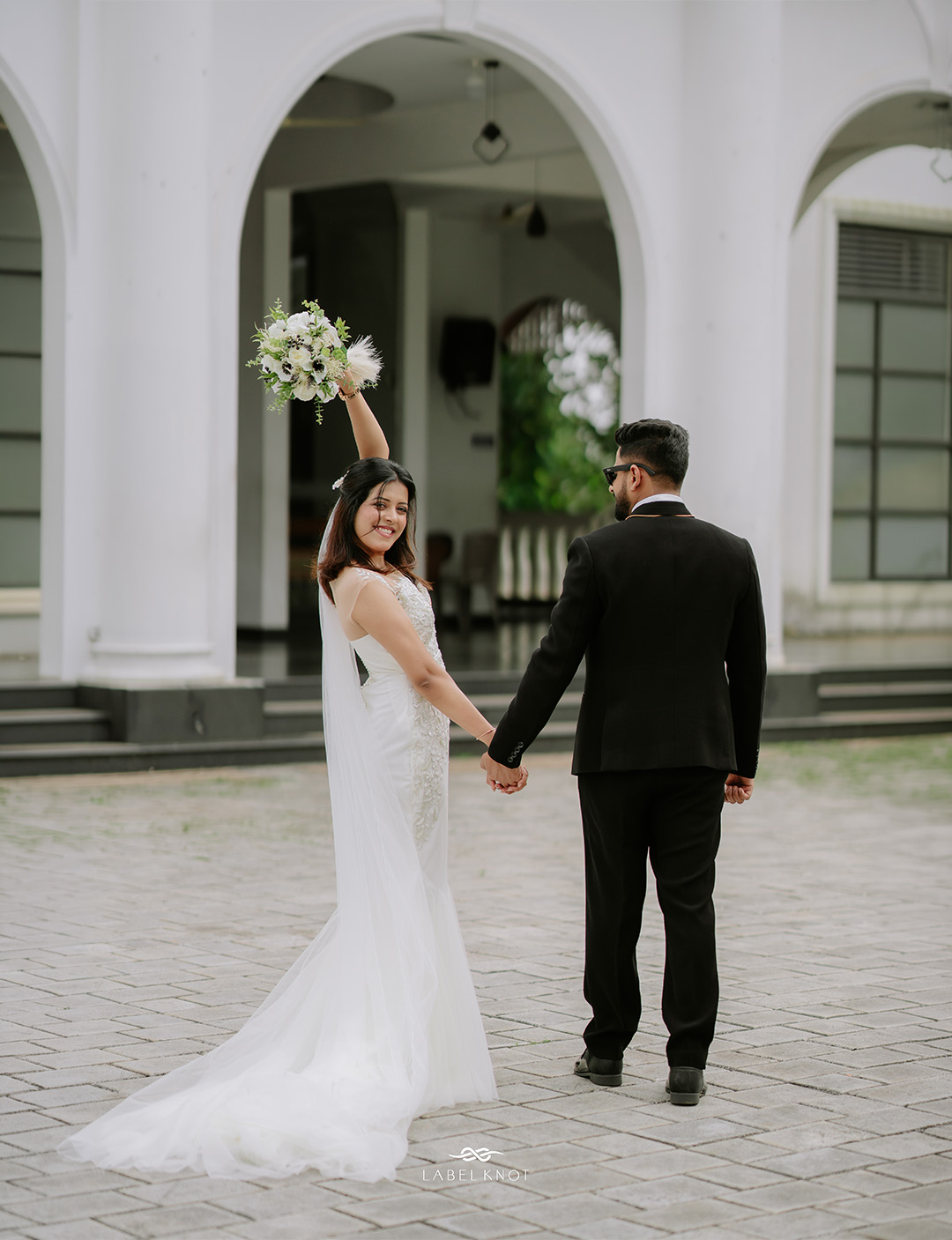
Work backwards from the ceremony
Once the ceremony time is set, count backwards to see when the morning needs to start. List everyone getting ready, from the couple to parents and the wedding party, and ask your hair and makeup artist how long each person will take. Add the photographer's arrival, time to get dressed, travel to the ceremony and a short pause before it starts.
Then work forwards: the ceremony itself, family photos, couple portraits, the welcome or cocktail hour, the meal, speeches, first dance or performances, and the send-off. Your officiant, venue and vendors can tell you roughly how long each part usually takes for a wedding like yours.
An example to adapt
Every wedding is different, so treat this as a sample shape for an afternoon ceremony followed by an evening reception, not a rule. Swap the times and the order to fit your own traditions.
Morning: hair and makeup begins, starting with the people who aren't the couple, so the couple finishes last and stays fresh. The photographer arrives for getting-ready shots and details like rings, invitations and outfits.
Early afternoon: the couple gets dressed, and there's time for a first look or private moment if you want one. Everyone travels to the ceremony with time to spare.
Afternoon: the ceremony, followed straight away by family photos while everyone is still gathered in one place.
Late afternoon: couple portraits, ideally in the softer light before sunset, while guests enjoy drinks and snacks.
Evening: guests are seated, the meal is served, speeches happen between courses or just after, and the dancing, music or performances follow.
Night: a planned send-off or last song, then vendor pack-down within the venue's limits.
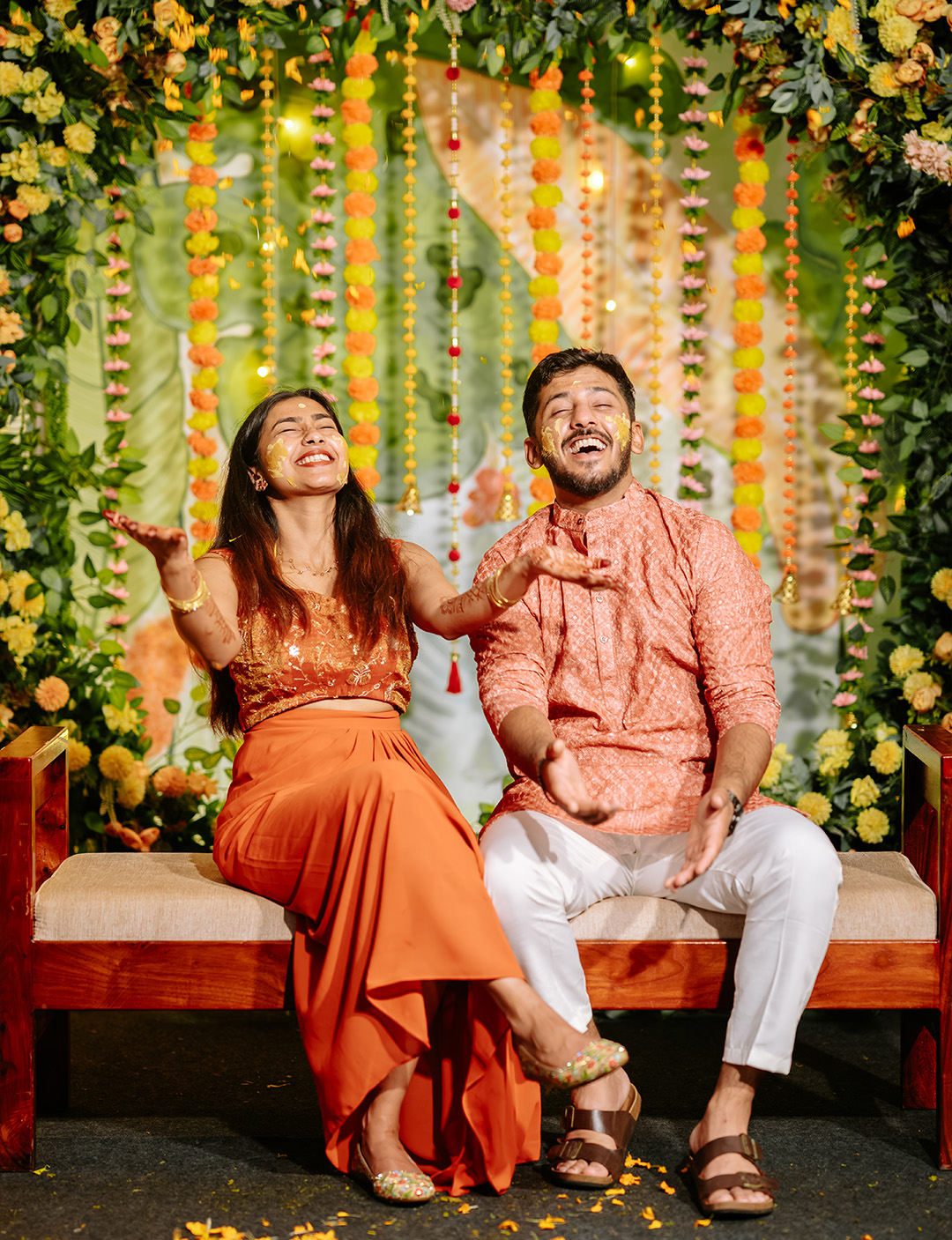
Build in buffers
Things almost always take longer than planned on a wedding day. Getting a large family together for a photo, moving guests between spaces, or a short rain shower can each add time. Add a buffer of 10 to 15 minutes around the parts most likely to run over, like getting ready, travel and group photos. If everything runs on time, you'll simply get a few calm minutes with each other.
Make the family photo list in advance
Group photos are one of the easiest places to lose time. Write a short list of the combinations you want, with names, and give it to your photographer and to one relative or friend who knows everyone and can round people up. Tell family members ahead of time that they're in the photos, so nobody wanders off to the bar.
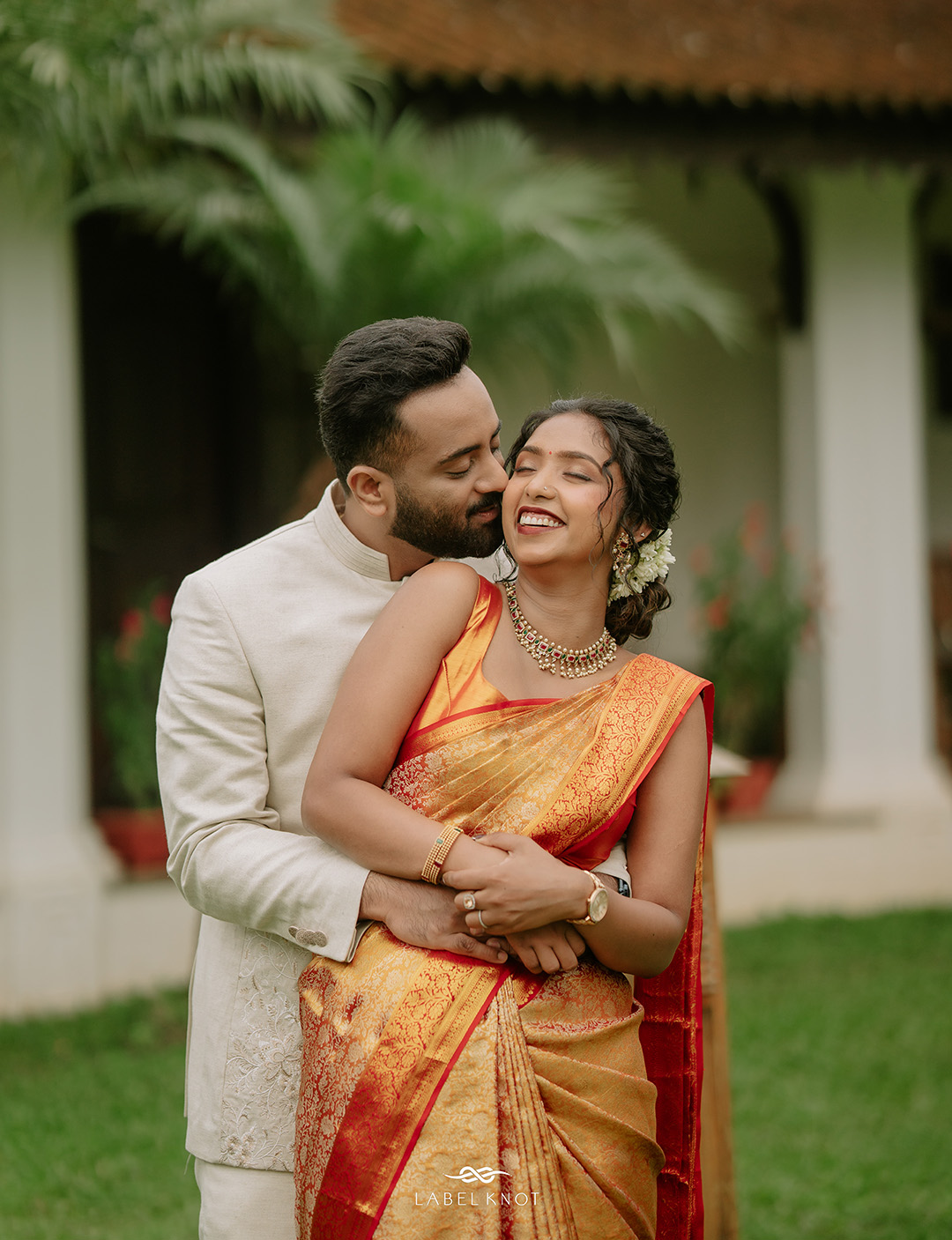
Share one version with everyone
Once your timeline is ready, send the same version to every vendor and to whoever is in charge on the day, whether that's a planner, a coordinator or a trusted friend. Include contact numbers, venue addresses, arrival times and who to call if something changes. Ask each vendor to check their part and flag anything that doesn't work. When there's only one plan, small changes on the day are much easier to handle.
It also helps to keep a shorter version for guests and the wedding party, with only the times they need, like when to arrive, when the ceremony starts and when transport leaves.
Leave room to enjoy it
The best timelines aren't packed to the minute. Leave a few gaps for things you can't plan: a long hug with a grandparent, a quiet walk together, or a few minutes to actually eat your food. The aim is a day that flows, not one you're racing through.
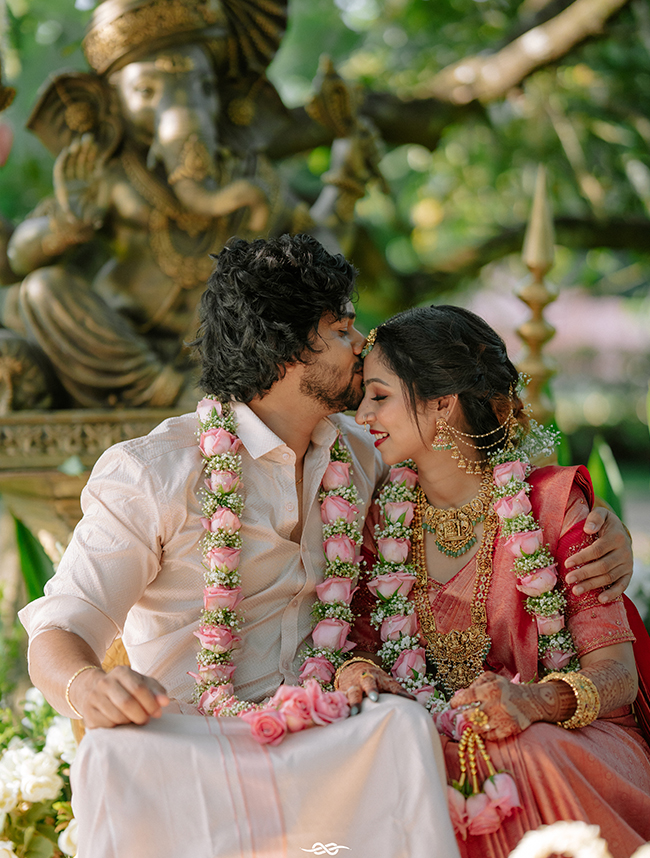
If you're still putting your team together, you can browse photographers, organizers and venues on Eventador and ask them how they like to plan the day.